
Windmills in Curaçao: Sustainable Energy on the Island
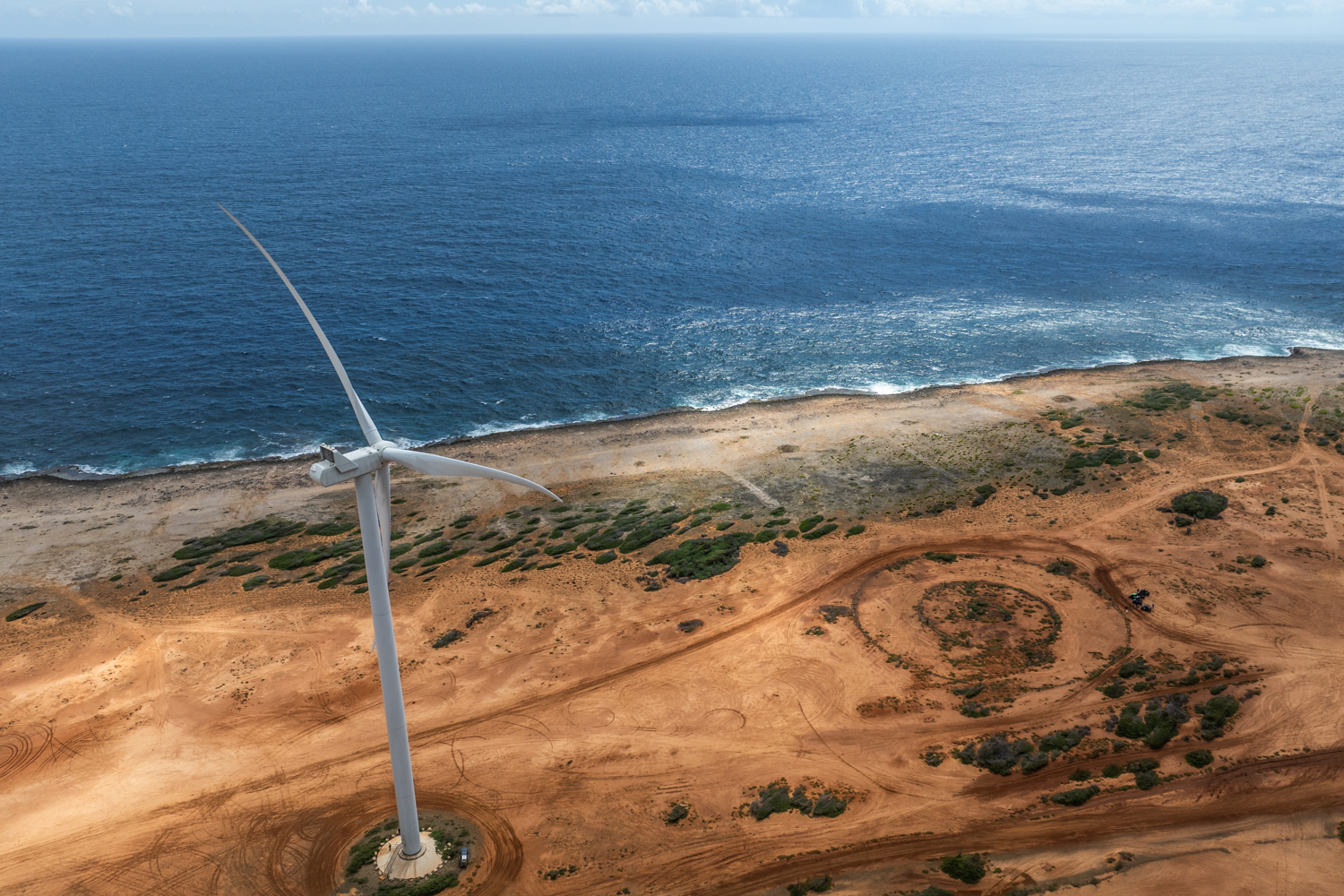
When people think of Curaçao, they often picture white sandy beaches, turquoise waters, and the colorful streets of Willemstad. But those who venture beyond the island’s most famous attractions quickly discover that Curaçao is much more than just a tropical getaway. During a drive across the island, many visitors notice something unexpected: large windmills rising above the landscape. Especially along the north coast, these towering structures create a striking contrast with the rugged terrain and the endless Caribbean Sea. For some travelers, the sight comes as a surprise. After all, windmills are more commonly associated with the Netherlands than with a Caribbean island.
Yet the windmills in Curaçao play an important role in the island’s energy supply. They tell a fascinating story of innovation, sustainability, and how a small island harnesses the power of nature.
In this blog, we take a closer look at the windmills of Curaçao: why they are there, how they work, and why renewable energy is becoming increasingly important for the island’s future.
Why Are There Windmills in Curaçao?
Curaçao is blessed with two natural resources that many countries would envy: sun and wind. The island enjoys sunshine year-round and is famous for its steady trade winds that sweep across the Caribbean Sea. These northeastern winds not only provide relief on warm tropical days but also serve as an excellent source of renewable energy. It is precisely this combination of sun and wind that makes Curaçao particularly well suited for sustainable energy production. As an island, Curaçao relies largely on generating its own electricity. Unlike many countries, it cannot simply import power from neighboring nations through an interconnected grid. This makes it especially important to maximize the use of local, renewable energy sources. Wind energy helps reduce the island’s dependence on fossil fuels and contributes to building a more sustainable future.
Where Can You See the Windmills in Curaçao?
Visitors exploring Curaçao are likely to encounter the island’s windmills during their travels. The best-known wind farms are located along the north coast, where the trade winds are strongest. Those taking a road trip through the western part of the island will often spot the impressive turbines standing tall against the horizon. The areas around Tera Kòrá and Playa Canoa are particularly known for their wind farms. Here, the turbines rotate almost continuously, creating a fascinating contrast with the rugged coastline, towering cacti, and natural landscapes that define this side of the island. For many visitors, the windmills are an unexpected attraction. They reveal a side of Curaçao that extends beyond beaches and resorts, a destination that is also investing in innovation and sustainability. During an island tour or scenic drive, the windmills often become a popular photo stop and an interesting topic of conversation.
How Do Windmills Work?
Although most people recognize windmills when they see them, not everyone knows exactly how they work.
The principle is surprisingly simple.
When wind blows against the turbine blades, they begin to rotate. This rotational movement is transferred through a shaft to a generator inside the turbine. The generator converts kinetic energy into electricity. That electricity is then fed into the island’s power grid and distributed across Curaçao. Thanks to the island’s reliable trade winds, the windmills can generate electricity for a large portion of the day. This makes wind energy especially efficient on Curaçao. Compared to traditional forms of electricity generation, wind power also produces no direct greenhouse gas emissions during operation.
How Important Is Wind Energy for Curaçao?
For a relatively small island, wind energy plays a remarkably significant role in Curaçao’s energy supply. In fact, Curaçao is considered one of the Caribbean’s pioneers when it comes to renewable energy. Wind power has been contributing a substantial share of the island’s electricity production for many years. This is particularly important because many islands rely heavily on imported fuels. By generating energy locally from wind and solar resources, Curaçao can reduce its dependence on fossil fuels while creating a more sustainable energy system.
As renewable energy becomes increasingly important worldwide, it is especially relevant for island nations. Climate change, rising sea levels, and the vulnerability of island ecosystems make sustainable development a critical priority for the future. The windmills of Curaçao are therefore much more than technical structures—they are visible symbols of the island’s transition toward a more sustainable future.
Sun and Wind: A Powerful Combination
When people think of renewable energy in the Caribbean, solar panels are often the first thing that comes to mind. And for good reason: Curaçao enjoys more than 300 sunny days each year. However, it is the combination of sun and wind that makes the island truly unique. When sunlight is less intense, the wind often continues to generate power. Likewise, solar panels provide additional electricity during the day when energy demand is often at its highest. By combining multiple renewable energy sources, Curaçao creates a more stable and reliable energy system. This unique mix provides the island with exciting opportunities to continue investing in green energy and sustainable development.
A Surprising Side of Curaçao
For many travelers, Curaçao is synonymous with beaches, snorkeling, and colorful cityscapes. But those who look a little closer discover an island that is constantly evolving. The windmills remind visitors that Curaçao is not solely dependent on tourism, it is also investing in its future. They create a fascinating contrast between nature and technology: modern innovation set against rugged coastlines and centuries-old cacti. It is precisely this contrast that makes Curaçao so interesting. The island has found a unique way to combine tradition with progress.
For curious travelers, the windmills are much more than part of the landscape, they tell the story of an island working toward a greener future.
Discover More Than Just Beaches
One of the best ways to truly get to know Curaçao is to venture beyond its most famous attractions. During a road trip or island excursion, visitors discover hidden coves, rugged landscapes, historic plantation houses, and unexpected landmarks such as the windmills along the north coast. These places reveal just how diverse Curaçao really is. From untouched nature to modern sustainable initiatives, the island continues to surprise travelers at every turn.
Because often, it’s the stories beyond the beaches that make a destination truly unforgettable.