
Flamingos in Curaçao – What Makes These Pink Birds So Special?
When people think of Curaçao, they often picture white sandy beaches, crystal-clear waters, and colorful colonial buildings. But the island has much more to offer. Among Curaçao’s most iconic residents are the flamingos – elegant pink birds that thrive in the island’s salt lakes and nature reserves. For many visitors, spotting a flamingo in the wild is an unforgettable experience. These graceful birds can often be seen standing in shallow lagoons, searching for food, or flying across the landscape in groups.
In this blog, we’ll explore why flamingos live in Curaçao, where you can see them, and why the island’s salt flats and protected nature areas are so important to their survival.
Why Are Flamingos Found in Curaçao?
Curaçao offers the perfect habitat for flamingos. The island is home to several natural salt lakes and lagoons with shallow, salty water. These areas are rich in small crustaceans, algae, and other organisms that flamingos feed on. The warm climate, relatively undisturbed feeding grounds, and protected nature reserves make Curaçao an ideal environment for these remarkable birds. The species most commonly found on Curaçao is the American Flamingo (Phoenicopterus ruber), one of the largest and most colorful flamingo species in the world.
Why Are Flamingos Pink?
One of the most common questions visitors ask is: Why are flamingos pink?
The answer lies in their diet.
Flamingos feed on small shrimp, algae, and other organisms that contain natural pigments known as carotenoids. These pigments are absorbed into the birds’ bodies and give their feathers their distinctive pink to reddish color. Interestingly, young flamingos are born gray or white. Their famous pink coloration develops gradually as they mature and continue feeding on carotenoid-rich foods.
Where Can You See Flamingos in Curaçao?
Fortunately, you don’t have to search very hard to find flamingos on Curaçao.
Jan Kok
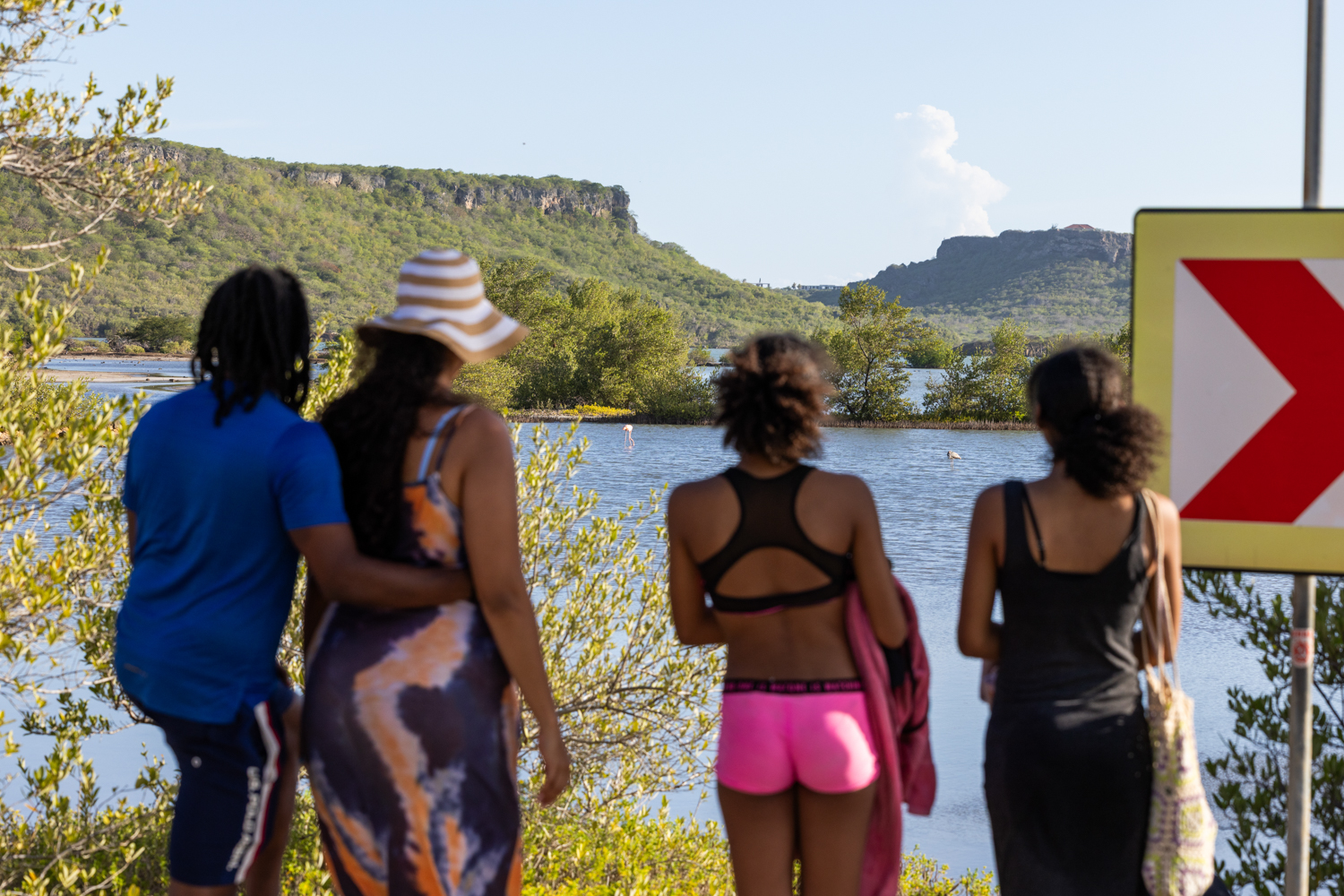
The most famous flamingo viewing location on the island is Jan Kok, located on Curaçao’s west coast. This large salt lake is home to flamingos throughout much of the year, making it one of the best places to observe and photograph them. Visitors can often spot the birds directly from the roadside viewing area. Jan Kok has become one of Curaçao’s most popular natural attractions and is frequently included in island tours and sightseeing excursions.
Sint Michiel
Flamingos are also regularly spotted near Sint Michiel (Boka Sami). The salt flats in this area provide another important feeding and resting habitat for these birds.
Other Salt Lakes and Wetlands
Depending on the season, rainfall, and water levels, flamingos may also be found in other wetlands and salt pans across the island. Because they are wild animals, sightings can never be guaranteed, but visitors have a very good chance of seeing them during their stay.
Why Are Curaçao’s Salt Flats So Important?
The salt flats of Curaçao are much more than beautiful landscapes. They play a vital role in supporting a wide variety of bird species, including:
- Flamingos
- Herons
- Shorebirds
- Migratory birds traveling between North and South America
These shallow waters provide food, shelter, and resting areas for countless species. Many of these habitats are protected because of their ecological importance and their contribution to Curaçao’s biodiversity. Without these fragile ecosystems, many bird species would struggle to survive.
How Can You Observe Flamingos In a Responsible Way?
Flamingos are wild animals and should always be observed respectfully.
When visiting flamingo habitats:
- Keep a safe distance
- Never feed the birds
- Avoid making loud noises
- Do not attempt to approach them
- Leave nature areas clean and undisturbed
With a little patience, visitors can enjoy incredible wildlife encounters and take beautiful photographs without disturbing the animals.
Flamingos and Nature Conservation in Curaçao
The flamingo population on Curaçao depends heavily on the protection of its natural habitats. Conservation organizations and local authorities work continuously to preserve the island’s salt lakes, wetlands, and surrounding ecosystems. Visitors can also help by respecting nature, staying on designated viewing areas, and supporting sustainable tourism initiatives. Responsible travel helps ensure that flamingos remain a cherished part of Curaçao’s wildlife for generations to come.
Discover More Than Beaches in Curaçao
Many visitors spend most of their vacation enjoying Curaçao’s stunning beaches. However, those who venture beyond the coastline quickly discover a very different side of the island. The salt flats, nature reserves, scenic viewpoints, and flamingo habitats reveal Curaçao’s rich natural heritage and unique wildlife. For nature lovers and photographers, spotting flamingos often becomes one of the highlights of a Curaçao vacation.
Explore Curaçao’s Natural Beauty with BlueFinn Charters
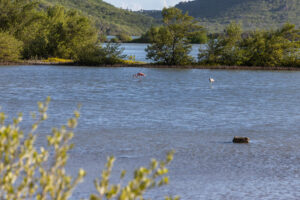
At BlueFinn Charters, we love introducing visitors not only to Curaçao’s beautiful beaches and crystal-clear waters but also to the island’s incredible natural landscapes. During our land excursions and sightseeing tours, guests have the opportunity to explore some of Curaçao’s most beautiful natural areas, including viewpoints, salt lakes, and locations where flamingos can regularly be observed. It’s a wonderful way to experience another side of Curaçao; one filled with unique wildlife, breathtaking scenery, and unforgettable moments.
Don’t forget your camera, you may just spot your first wild flamingo during your adventure.