
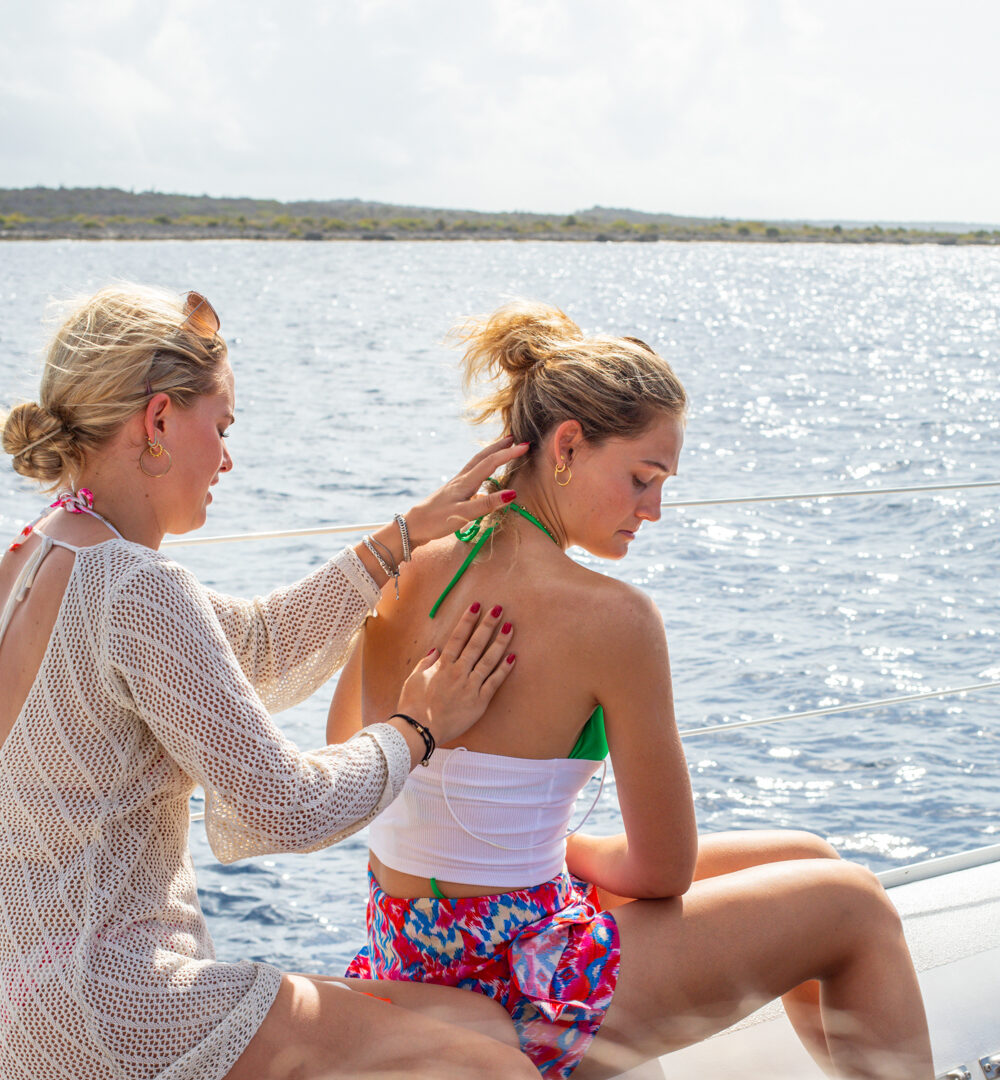
Which Sunscreen Do You Need and Why Reef-Safe Matters
Planning a tropical vacation to Curaçao? Don’t underestimate the Caribbean sun. While the island’s warm temperatures and clear blue skies make it a dream destination, the UV radiation on Curaçao is significantly stronger than many visitors are used to. Whether you’re relaxing on the beach, exploring the island, joining a boat trip, or snorkeling around Klein Curaçao, choosing the right sunscreen is essential for both your own health and the protection of the marine environment.
In this guide, we’ll explain how to protect yourself from the tropical sun, what SPF you need on Curaçao, and why reef-safe sunscreen is becoming increasingly important for coral reefs and marine life.
Why Is The Sun So Strong On Curaçao?
Curaçao lies just north of the equator in the southern Caribbean. Due to its geographical location, the sun reaches a much higher angle in the sky than in Europe, North America, or many other travel destinations.
As a result:
- UV radiation is significantly stronger
- Sunburn can occur much faster
- Skin damage accumulates more quickly
- Even cloudy days can result in sunburn
Many visitors are surprised by how quickly they burn, especially during activities on the water.
When you’re sailing, snorkeling, swimming, or relaxing on the beach, the combination of direct sunlight and reflection from the water intensifies sun exposure even further.
What SPF Is Recommended For Curaçao?
For most visitors, dermatologists recommend:
- SPF 30 minimum
- SPF 50 preferred for extended outdoor activities
- Water-resistant sunscreen
- Broad-spectrum protection against UVA and UVB rays
During boat trips and snorkeling excursions, sunscreen should be reapplied regularly, especially after swimming or toweling off.
People with fair skin, children, and anyone who burns easily should be particularly careful and consider additional protection such as UV-protective clothing, hats, and sunglasses.
The Best Sunscreen For Tropical Destinations
When choosing sunscreen for Curaçao, look for products that offer:
- Broad-Spectrum Protection – Both UVA and UVB rays can damage the skin. Broad-spectrum sunscreen helps protect against both.
- Water Resistance – Snorkeling, swimming, and boat trips can quickly wash away sunscreen. Water-resistant formulas provide longer-lasting protection.
- High SPF – The stronger Caribbean sun makes SPF 50 a sensible choice for most travelers.
- Reef-Safe Ingredients – Not all sunscreens are created equal. Some ingredients may negatively affect coral reefs and marine ecosystems.
This is where reef-safe sunscreen comes in.
What Is Reef-Safe Sunscreen?
Reef-safe sunscreen refers to sunscreen products that avoid ingredients known to be harmful to coral reefs and marine life. Scientific research has shown that certain chemical UV filters can enter the ocean when swimmers enter the water.
Even small concentrations may contribute to:
- Coral bleaching
- Coral DNA damage
- Reduced coral growth
- Harm to fish larvae and marine organisms
Popular snorkeling destinations around the world are increasingly encouraging visitors to use reef-safe alternatives.
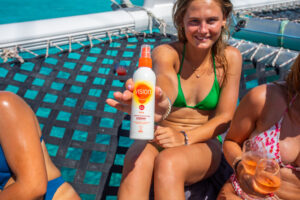
Which Ingredients Should You Avoid?
When purchasing sunscreen for a tropical vacation, try to avoid products containing:
- Oxybenzone (Benzophenone-3)
- Octinoxate
- Octocrylene
- Homosalate
These ingredients have been linked to environmental concerns in marine ecosystems.
Instead, many reef-safe sunscreens rely on mineral-based active ingredients such as:
- Zinc Oxide
- Titanium Dioxide (non-nano)
- These minerals sit on top of the skin and provide effective UV protection while generally having a lower environmental impact.
Why Reef-Safe Sunscreen Matters Around Curaçao And Klein Curaçao
One of the highlights of visiting Curaçao is exploring its underwater world. Snorkelers and divers regularly encounter coral reefs, sea turtles, tropical fish, seagrass beds and diverse marine ecosystems. Around Klein Curaçao, the crystal-clear waters attract thousands of visitors every year. Protecting these fragile ecosystems is essential to preserving the beauty that makes the island so special. Every small choice helps. By choosing reef-safe sunscreen, visitors can reduce their environmental footprint while still enjoying excellent sun protection.
Additional Sun Protection Tips For Curaçao
Sunscreen is only one part of staying safe in the Caribbean sun.
Here are a few additional tips:
- Wear UV-Protective Clothing. Long-sleeved swim shirts or rash guards provide excellent protection during snorkeling and boat trips.
- Wear A Hat. A wide-brimmed hat helps protect your face, ears, and neck.
- Stay Hydrated. The combination of sun, heat, and sea breeze can cause dehydration faster than many people realize.
- Drink plenty of water throughout the day.
- Seek Shade When Possible. Particularly between 11:00 AM and 3:00 PM when UV levels are typically at their strongest.
- Reapply Sunscreen Frequently. Even water-resistant sunscreen needs regular reapplication. It’s recommended to reply every 2 hours
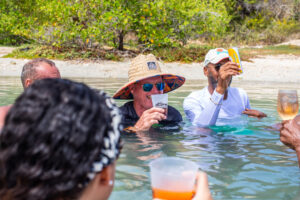
Enjoy Curaçao Responsibly
A day on the water is often one of the highlights of any Curaçao vacation. Whether you’re sailing to Klein Curaçao, snorkeling among tropical fish, or simply relaxing on deck, proper sun protection helps you enjoy your experience safely and comfortably. Choosing reef-safe sunscreen not only protects your skin but also helps preserve the incredible marine environment that makes Curaçao such a unique destination. A little preparation goes a long way, for yourself and for the ocean.
Discover Curaçao And Klein Curaçao With BlueFinn Charters
At BlueFinn Charters, we believe unforgettable experiences and responsible tourism go hand in hand. From sailing adventures to Klein Curaçao to snorkeling trips and sunset cruises, we encourage guests to protect themselves from the Caribbean sun while helping preserve the beautiful marine ecosystems we all enjoy. Bring your reef-safe sunscreen, your snorkeling gear, and your sense of adventure—and discover the best of Curaçao from the water.